
Disposable vape devices may look simple, but their internal batteries and electronic components require careful handling. Product instructions often contain important information about charging, storage, malfunction prevention, and disposal that can be easy to overlook. Understanding these details helps adults recognize potential hazards and avoid assumptions about how a device operates. Beyond the packaging, consumers should also check product-specific specifications, manufacturer guidance, and applicable regulations. A careful approach to device safety begins with reading the instructions rather than relying on appearance or familiarity.
Start With the Device, Not the Assumptions
A disposable vape generally combines a battery, heating element, and reservoir in one unit. Although this design can simplify the overall format, devices may differ in their electrical components, operating features, and charging requirements. The phrase fvkd disposable instructions refers to the kind of product guidance consumers should consult when handling a disposable device. The precise instructions depend on the individual model, so general assumptions should never replace the manufacturer’s directions.
Three Details Worth Checking First
Before handling a device, confirm:
- Whether the manufacturer identifies it as rechargeable or non-rechargeable.
- Which operating and storage precautions apply to that model.
- How the manufacturer recommends handling a damaged or malfunctioning device.
Never attempt to charge a device unless its documentation explicitly confirms that it is designed for charging. A charging port or a similar-looking design feature should not be treated as sufficient evidence on its own.
Battery Safety: Small Components, Important Risks
Many portable electronic devices use lithium-based batteries. These batteries are widely used, but damage, excessive heat, improper charging, or unsuitable storage can create safety hazards.
Disposable vape batteries deserve attention because they are integrated into devices that may eventually be discarded rather than maintained for long-term use.
Warning Signs You Should Not Ignore
A device that becomes unusually hot, develops a damaged casing, leaks, or shows other signs of malfunction should not continue to be used.
Keep these precautions in mind:
- Do not crush, puncture, dismantle, or modify the device.
- Avoid exposing it to excessive heat or direct heat sources.
- Never use incompatible charging equipment.
- Keep the device away from children and pets.
- Follow the manufacturer’s instructions for storage and disposal.
If a device appears to be overheating or its battery seems damaged, avoid unnecessary handling and follow appropriate local safety guidance. If there is smoke, fire, or an immediate danger, move away and contact emergency services.
What Product-Specific Information Can Tell You
Battery precautions are only one part of evaluating a disposable vape. Product descriptions and labels may also identify ingredients, cannabinoid content where applicable, manufacturer details, batch identification, and relevant warnings.
A useful product review should distinguish confirmed specifications from marketing language. Terms such as premium or advanced do not independently establish electrical safety, product consistency, or manufacturing quality.
Consumers should check the documentation for the exact device rather than assuming that all products from one brand share the same internal design.
How Product Names Fit Into the Bigger Picture
Cannabis product naming often uses references to plants, flavors, desserts, and familiar strain terminology. These names can help consumers distinguish products, but they do not necessarily provide technical information about the device or its formulation.
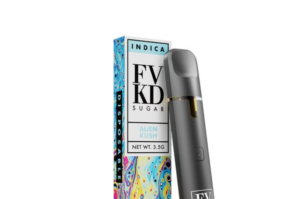
For example, fvkd alien kush is a strain-inspired product name. The wording alone cannot establish its precise cannabinoid content, terpene profile, device specifications, or expected effects.
Separate Product Identity From Verified Details
When assessing a named product, consider two different questions:
- What does the name communicate about its intended identity?
- What do the product label and supporting documentation actually confirm?
The first question concerns branding. The second concerns measurable or documented information.
This distinction is particularly important when a product name appears alongside claims about flavor, potency, or performance. Consumers should use the relevant product information rather than treating the name as proof.
A Quick Guide to Reading Device Instructions
Instead of focusing only on how a device operates, review the complete set of instructions for handling it safely.
| Instruction area | What to look for |
| Charging | Whether charging is supported and which equipment is permitted |
| Storage | Temperature and handling recommendations |
| Malfunctions | Steps to follow if the device leaks, overheats, or becomes damaged |
| Compatibility | Any restrictions on accessories or components |
| Disposal | Local guidance for battery-containing electronic waste |
If the instructions do not answer an important question, contact the manufacturer or seller. Do not improvise charging methods, modify the device, or assume that advice for another model also applies to yours.
Why Disposal Is Part of Battery Safety
A disposable vape may contain a battery, electronic circuitry, metal parts, plastic, and residual product material. These components can complicate disposal and may create fire risks if battery-containing devices enter unsuitable waste streams.
Local rules vary, so check whether your municipal waste service or an authorized electronic-waste collection program accepts the device. Do not place a damaged battery in a recycling collection unless the program confirms that it can accept it safely.
Avoid dismantling a device to separate its components unless an authorized professional or the manufacturer’s instructions specifically provide for that process.
Responsible Handling and Health Considerations
Battery safety does not address every risk associated with vaping. Cannabis-derived products may affect attention, memory, coordination, and judgment, particularly when they contain intoxicating cannabinoids such as THC.
Do not drive or operate machinery while impaired. Store products securely away from children and pets, follow all manufacturer instructions, and check applicable local laws before purchasing or possessing cannabinoid products.
People who are pregnant or breastfeeding, have relevant medical conditions, or take medications that may interact with cannabinoids should consult a qualified healthcare professional before considering these products.
Conclusion
Disposable vape safety depends on more than knowing how to operate a device. Reading product-specific instructions, recognizing battery damage, avoiding unauthorized charging, and following appropriate disposal guidance can help reduce preventable hazards. FVKD Exotics products should be evaluated through their individual specifications and manufacturer documentation rather than assumptions based on branding. Paying attention to these practical details supports more responsible handling while keeping the limitations and risks of vaping in perspective.
Disclaimer: For adults 21+ only, where legally permitted. Vaping and cannabis products may carry health risks. This article is informational only, not medical or legal advice.